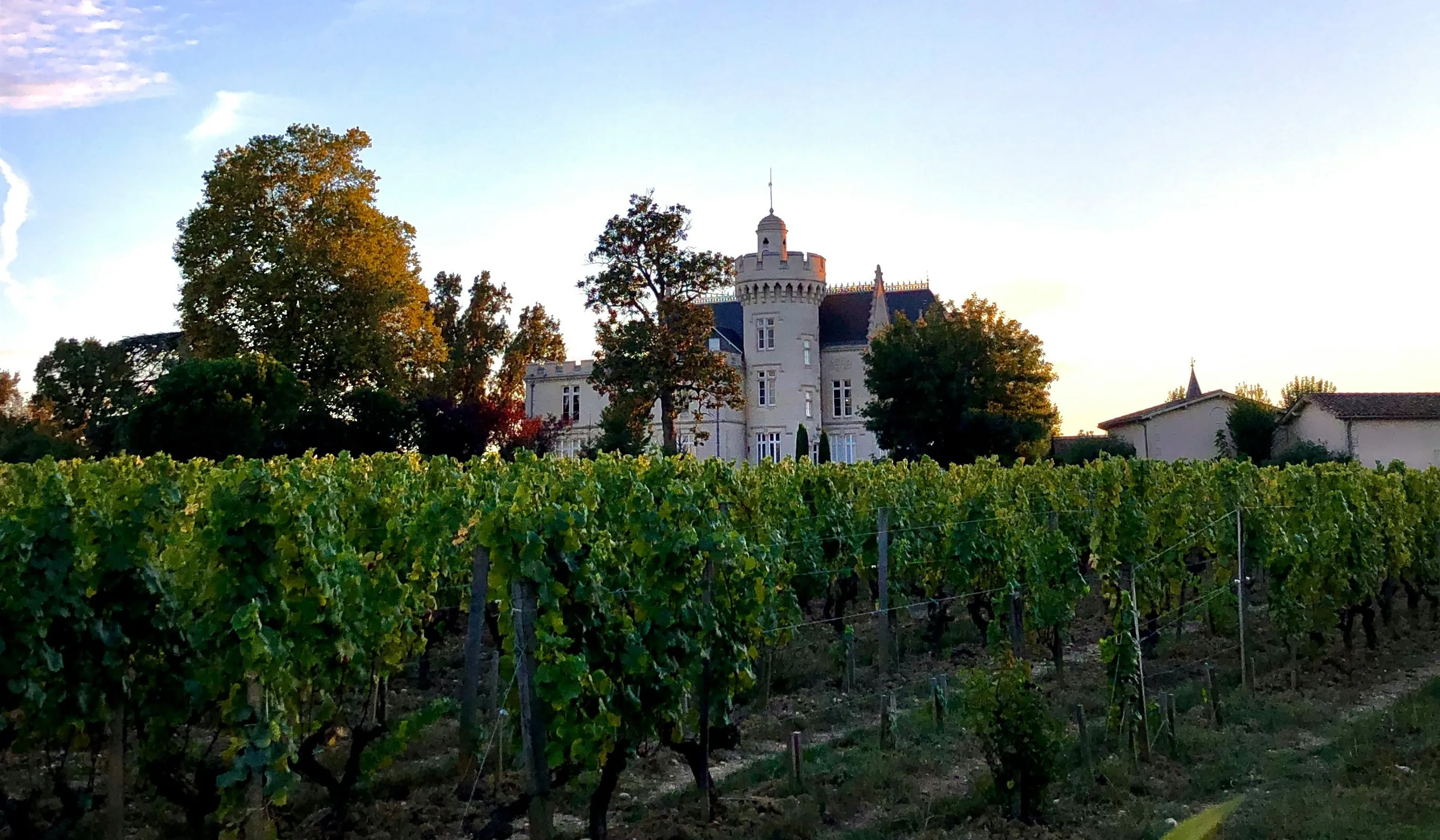
Anyone can buy a bottle of first-growth Bordeaux. What very few people can do is sit in the cellar where it was made, with the person who made it, and taste backwards through forty years of it — including the vintages that were never sold. That distinction is the whole of what we do here.
The estates that define the Médoc and the Right Bank are, for the most part, working agricultural businesses that happen to be world-famous. The most celebrated among them — the names you already know — do not run tasting rooms. They do not take reservations. The gate is closed, and it stays closed, because there is no commercial reason for it to be otherwise. Their wine sells itself years before it is bottled.
This is the thing most visitors to Bordeaux never understand. The region is full of châteaux that will happily receive you for a fee and pour you something decent. The handful of properties that matter most are precisely the ones you cannot approach that way. The door does not open to money. It opens to introduction.
What an introduction actually buys
I spent the better part of two decades in the Bordeaux trade before joining Elysian — on the buying side, then on the négociant side, in the rooms where allocations are decided and relationships are kept or lost over the span of years. The people who run these estates are not impressed by wealth; they meet wealthy people every week. What they extend access to is regard — for the wine, for the work, for the long view.
When we arrange a reception at one of these properties, it is not a transaction booked through an agency. It is a request made, by name, to someone who knows us and trusts that the people we send will understand what they are being shown. That trust took years to build and is spent carefully. We do not bring it to bear lightly, and we never bring it to bear twice in the same season at the same door.
"The door does not open to money. It opens to introduction. The people who run these estates are not impressed by wealth — they meet wealthy people every week. What they extend access to is regard."
What this access yields is difficult to overstate to anyone who cares about wine. A vertical tasting drawn directly from the château's own library — bottles that exist in single-digit quantities and have never entered the market. Time with the winemaker or the technical director, in the chai, among the barrels of a vintage still two years from release. And, on occasion, the offer to purchase from allocations that are not, in any ordinary sense, for sale.
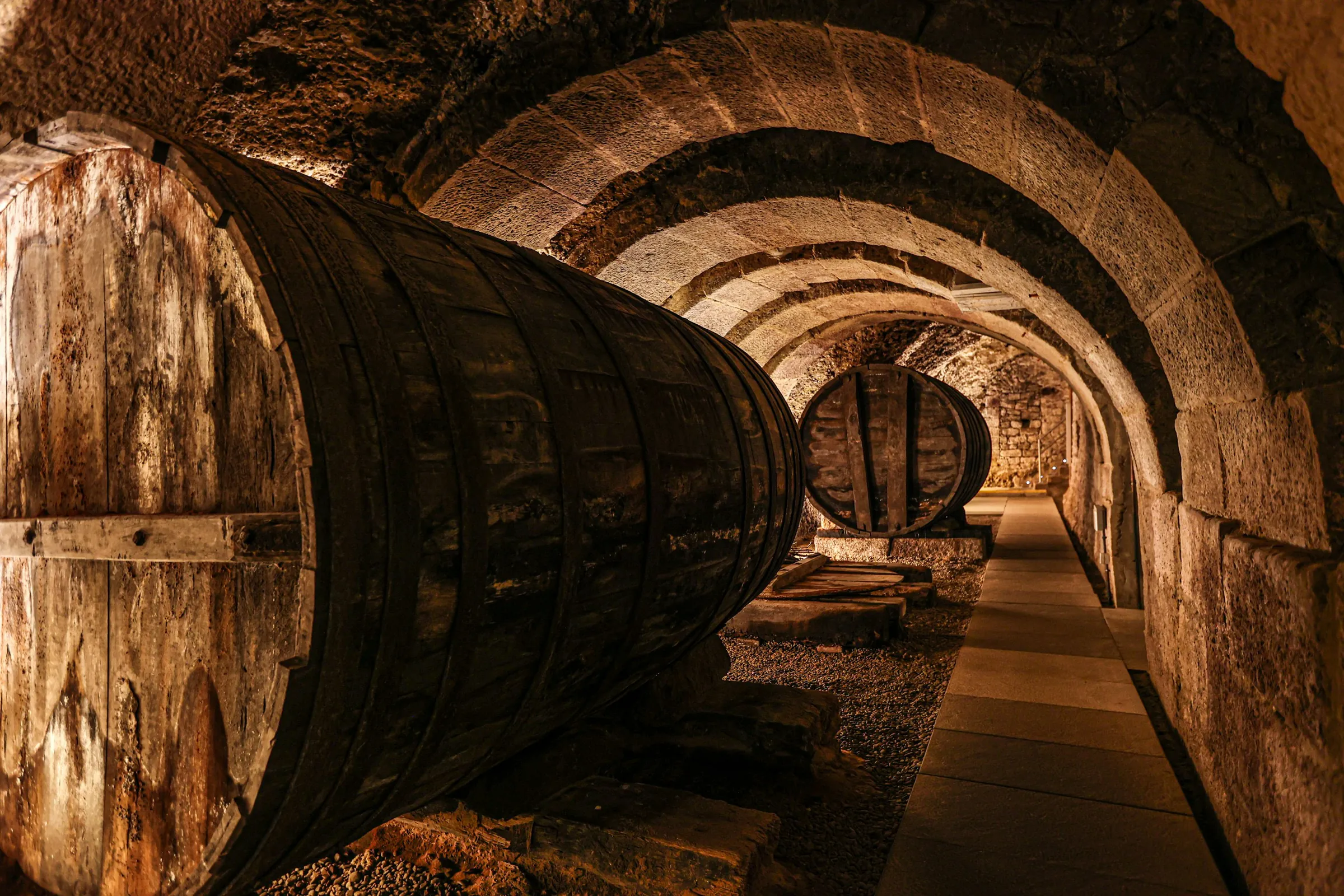
The chai — where a vintage rests for two years before anyone outside the estate tastes it
An afternoon on the Left Bank
A recent visit will stand for the rest. A couple — serious collectors, with a cellar most sommeliers would envy — wanted to understand a particular first-growth estate from the inside, having drunk its wines for thirty years without ever setting foot on the property. We arranged an afternoon.
They were received not by a guide but by a member of the family that has owned the estate for generations. They walked the parcels of gravel and clay that produce, row by row, wines that taste measurably different from one another. They stood in the cellar as the technical director drew samples directly from barrel with a glass pipette. And then, at a single table set in a private room above the chai, they tasted nine vintages spanning four decades — several of which, the family noted quietly, no longer existed anywhere outside that cellar.
The light in that part of the Médoc in late afternoon comes in low across the vines and turns the gravel almost white. The couple lingered long after the last glass. There was no rush — the estate had given over the afternoon, and the only other people on the property were the ones pouring.
"They tasted nine vintages spanning four decades — several of which, the family noted quietly, no longer existed anywhere outside that cellar."
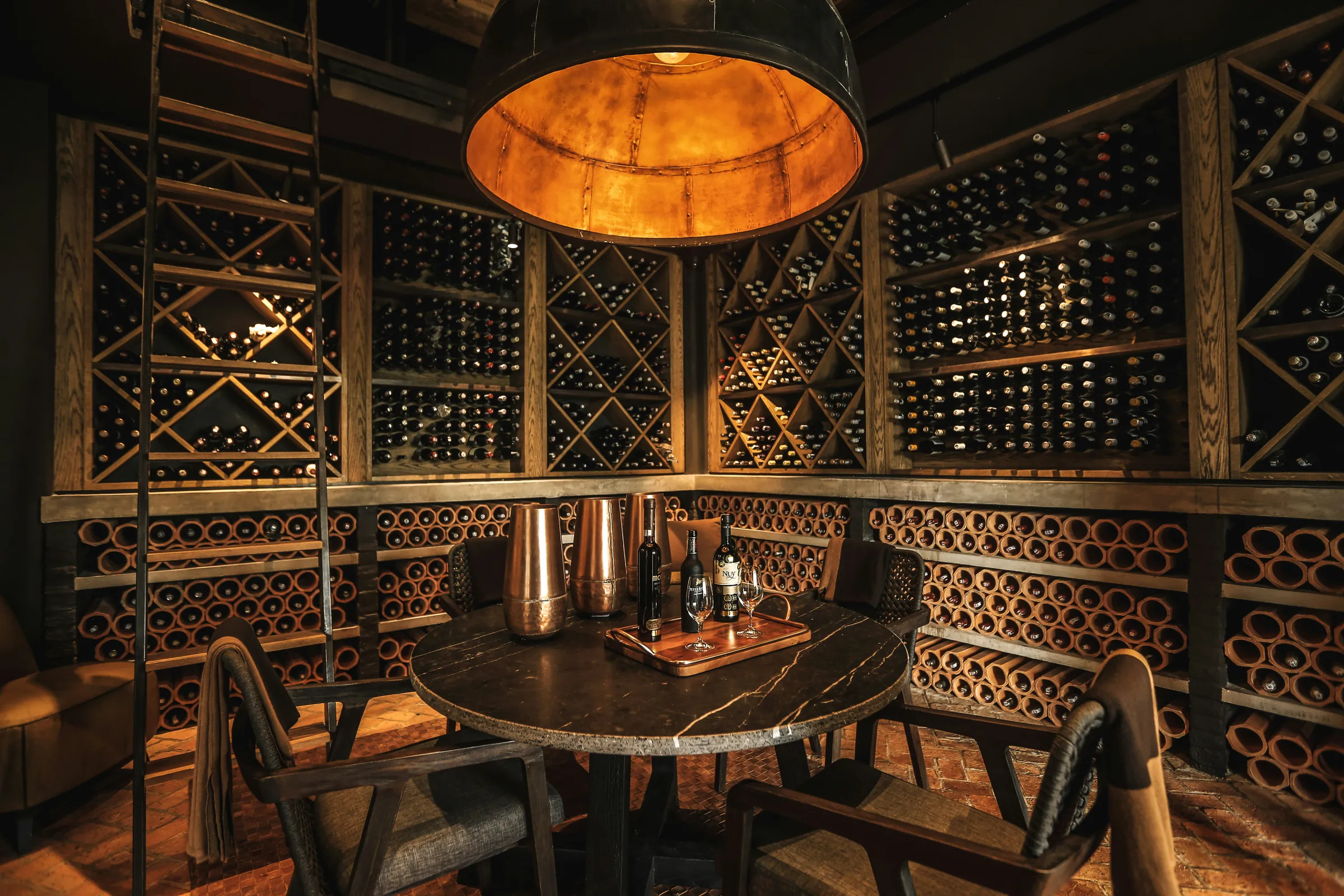
A library vertical — poured by the people who made every bottle on the table
Beyond the bottle
Bordeaux is the example we reach for because the contrast is so stark — the gap between what is available to anyone and what is available almost to no one. But the principle holds across the wine regions where we have built these relationships: Burgundy, where the most coveted domaines are smaller still and the doors narrower; Champagne, where the grower houses that fascinate collectors rarely receive at all; the Mosel, Piedmont, the Napa cult producers whose mailing lists closed decades ago.
In each, the structure is the same. The wine you can buy is one thing. The afternoon with the person who made it, the access to what was never sold, the standing invitation to return — that is something else entirely, and it is not for sale at any price. It is extended, or it is not.
If there is an estate you have admired from a distance for years, or a wine you have always wanted to understand from the inside, the right starting point is a conversation about what is genuinely possible.
Arrange something like this
A château, a vintage, a cellar you've always wanted to see —
tell us which door.