The destination
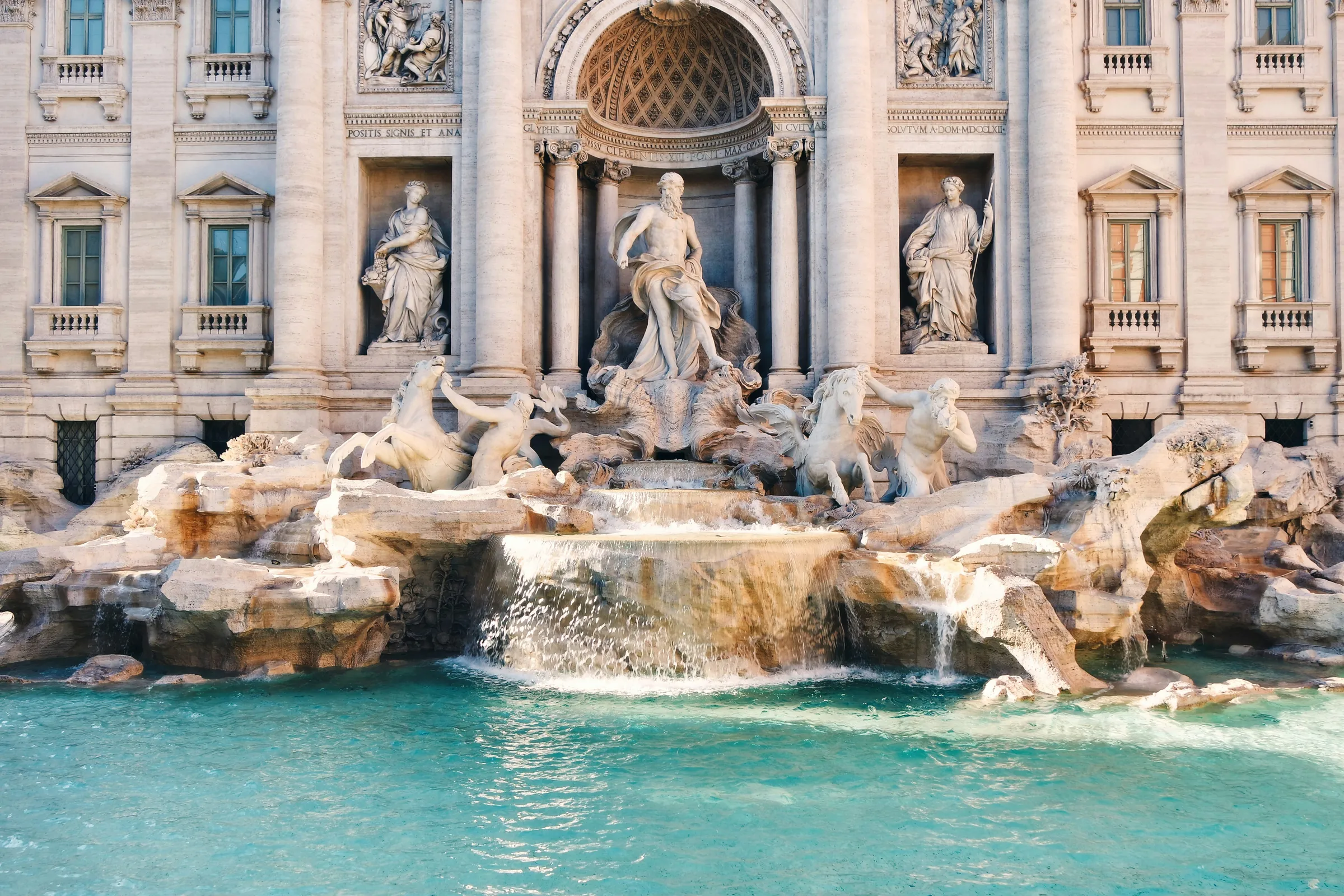
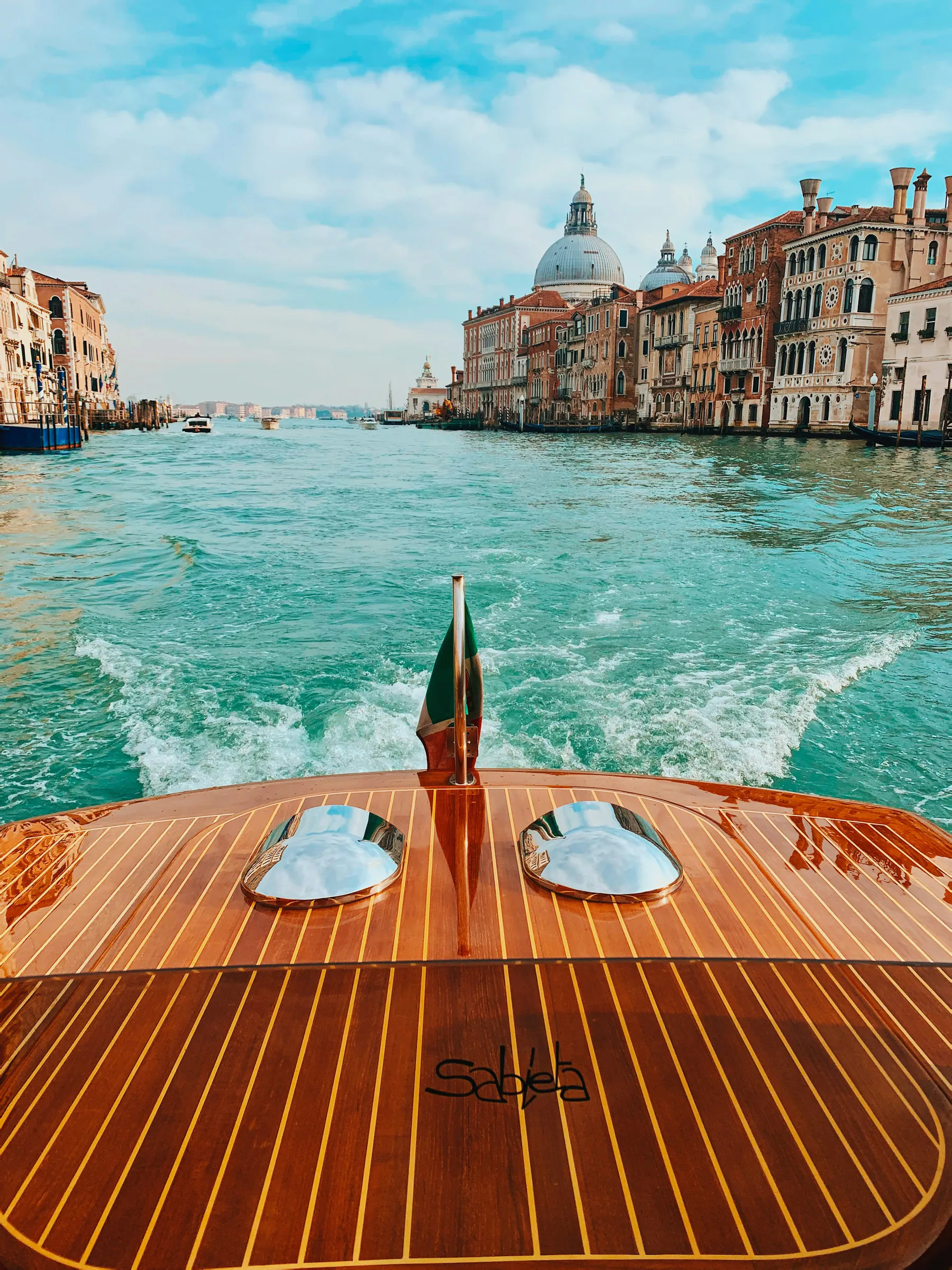
Italy resists a single description because it was never a single place. Rome carries the weight of empire and the ease of daily life in equal measure. Florence holds more of the Western world's art than almost anywhere else — and keeps most of it behind closed doors. Venice, approached correctly, is still one of the most extraordinary places on earth.
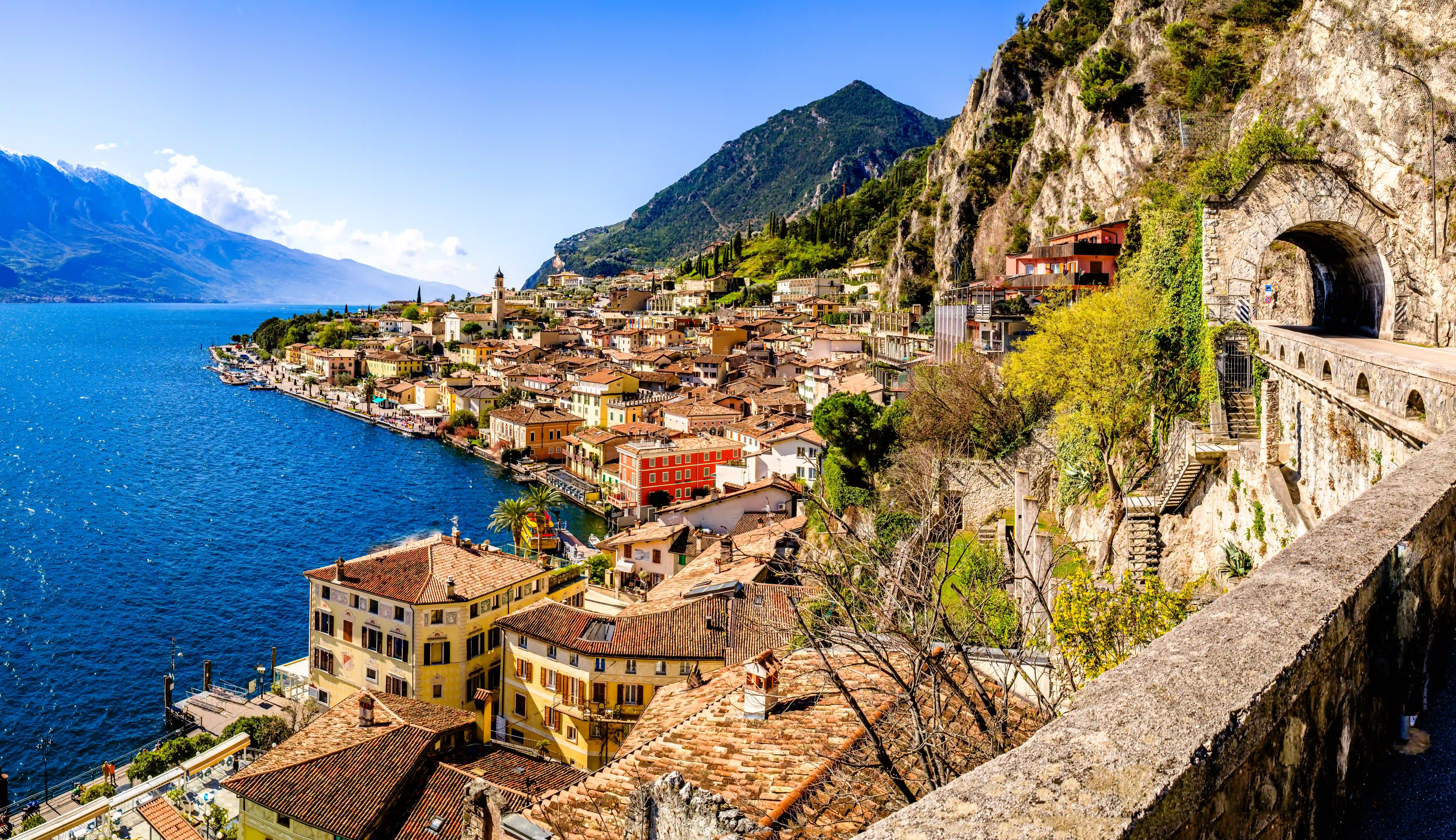
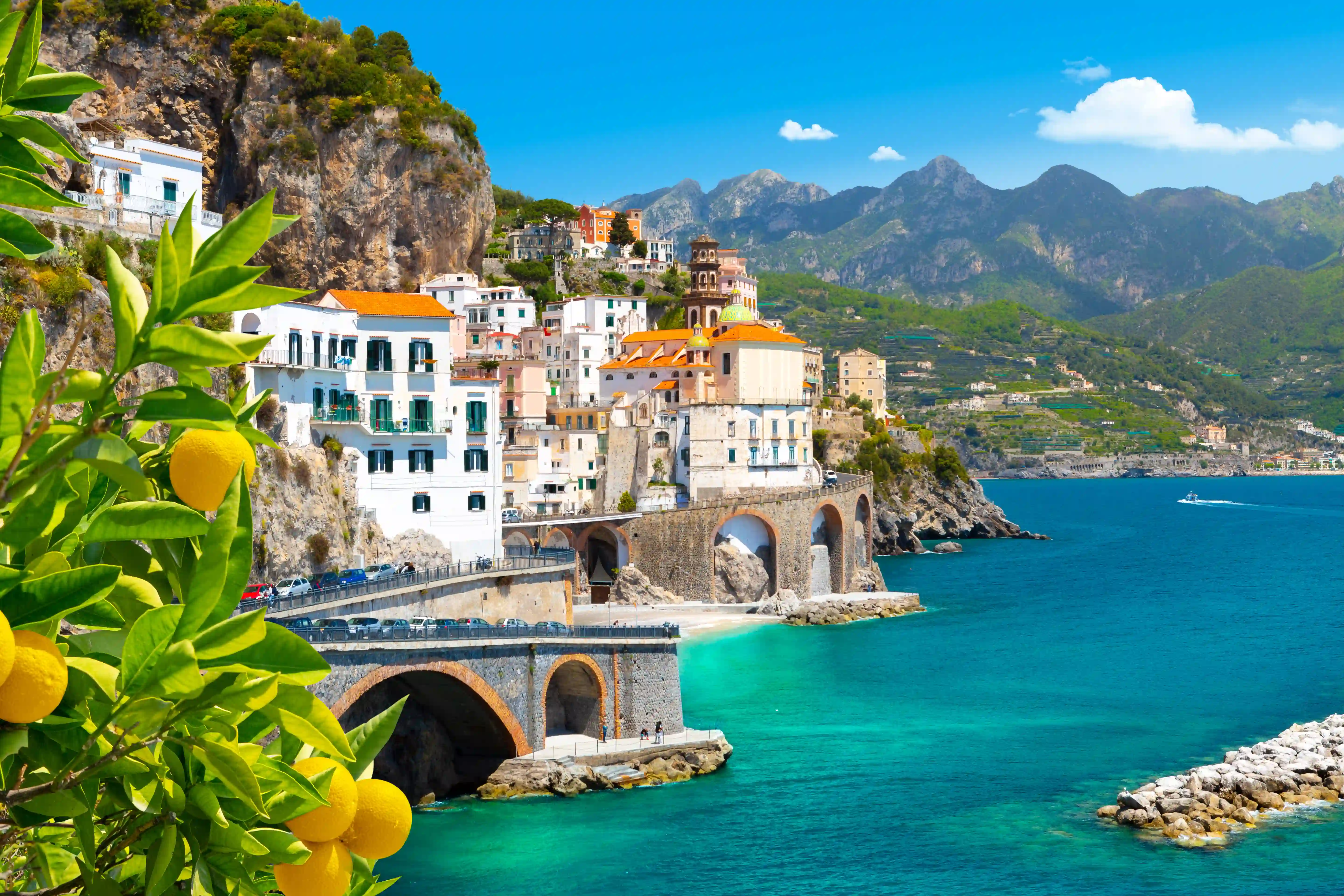
Moving south, the Amalfi coast gives way to Sicily — ancient, volcanic, and entirely its own thing. In the north, the lakes offer a quieter form of Italian beauty: mountains, water, and architecture in a scale that doesn't overwhelm. Tuscany and Umbria unfold across hilltowns, vineyards, and landscapes that have barely changed in five centuries.
The Italy we work with is not a highlights reel. It is a country explored by those with the relationships to reach what isn't publicly available — private palazzos, closed-door collections, tables that do not take reservations.
In Italy
These are examples of what we have arranged and what is possible — not a fixed itinerary. Your journey takes its shape from the conversation.
Heritage
Access to the Sistine Chapel in the hour before public opening — arranged through direct relationships with the curatorial authority. No other visitors. The space as it was meant to be experienced.
Private Collections
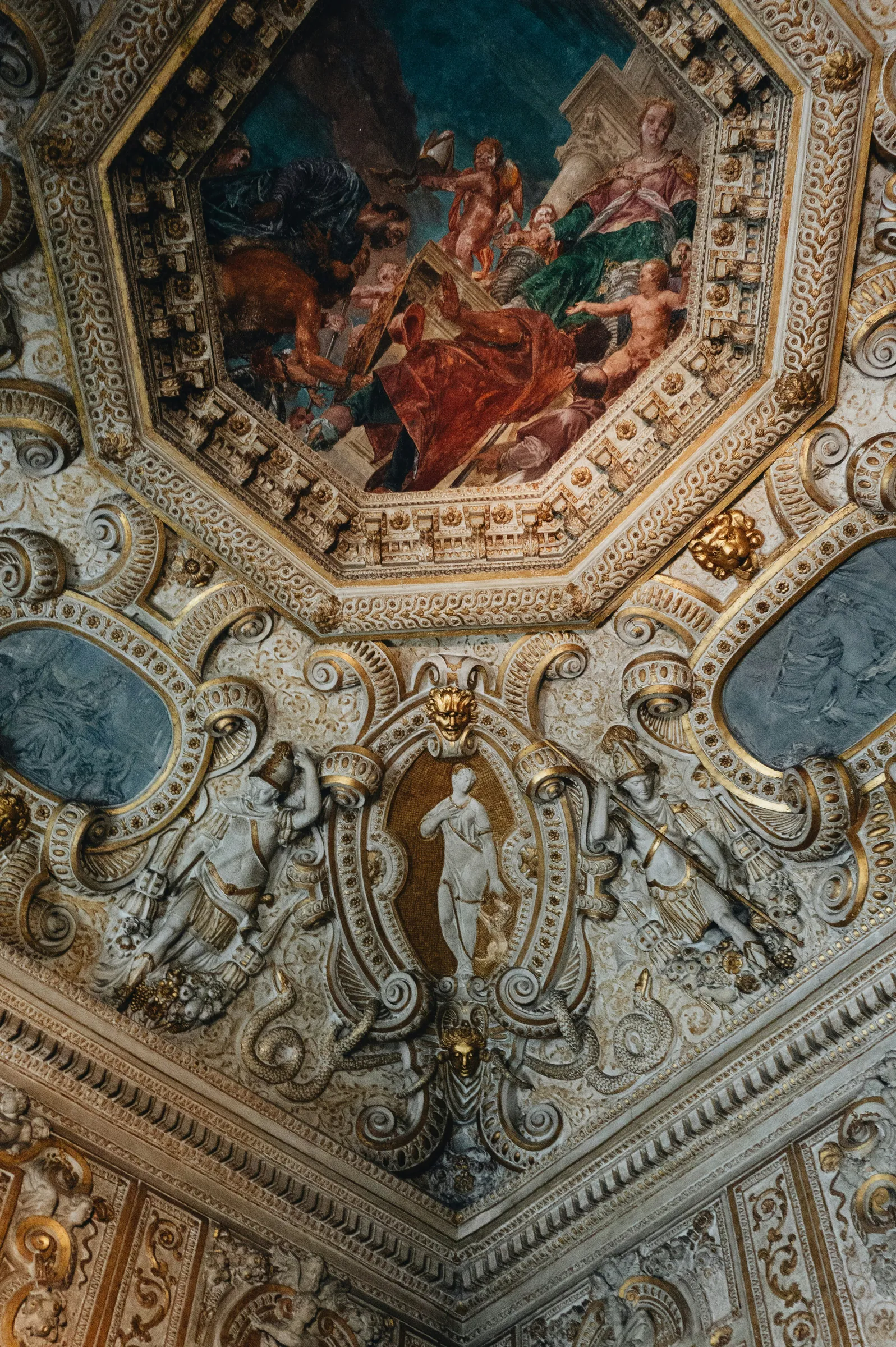
Private palazzos and family collections that never appear in any guide — opened through introductions built over years. An art history that exists entirely outside the museum system.
Culinary
From a winemaker's cellar dinner in Barolo to a private lunch in a Sicilian masseria — meals that reflect place and season with a specificity that restaurants cannot replicate. Arranged through the people who actually produce what is on the table.
Coastal
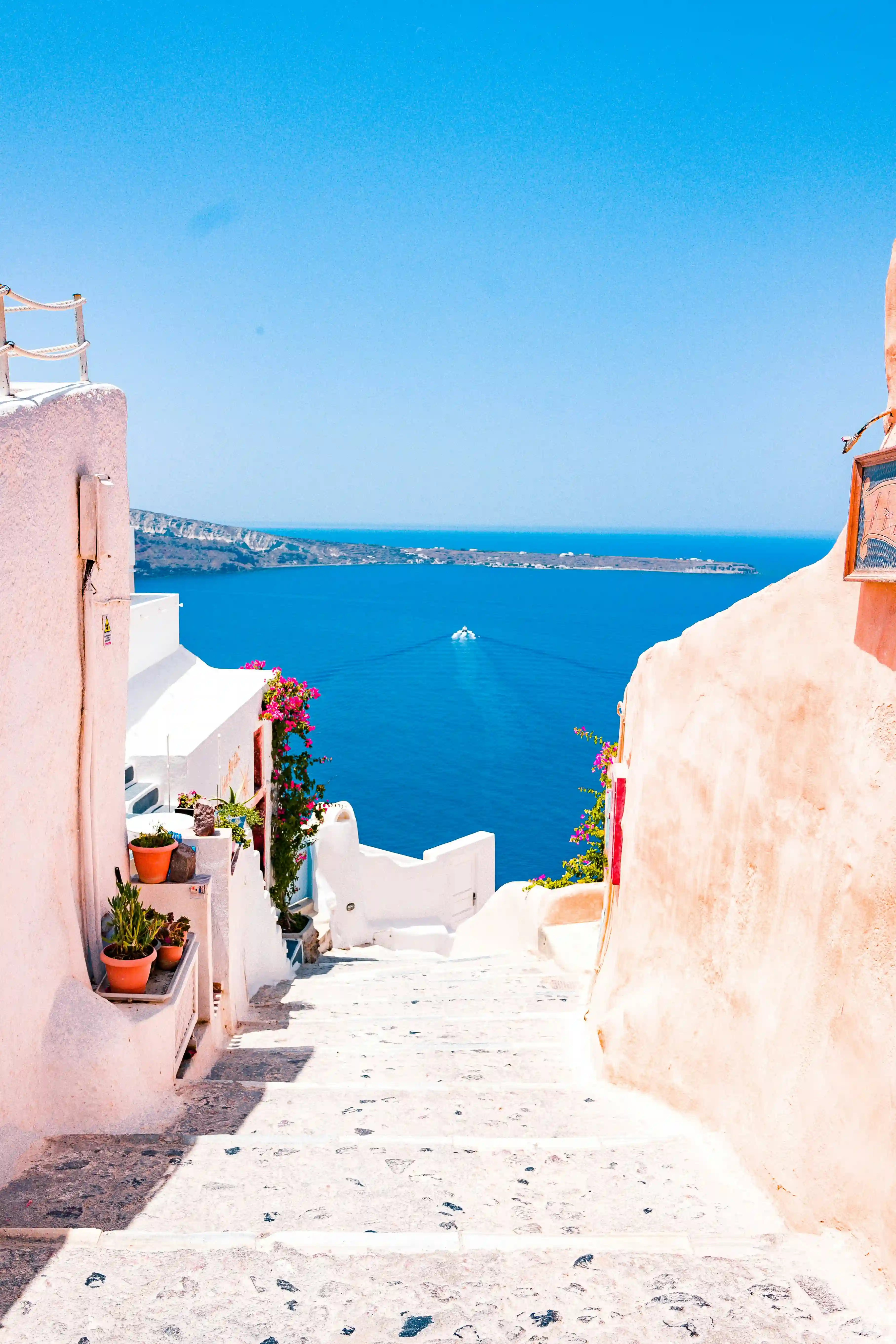
The coast approached from the water rather than the road — a private vessel moving between Positano, Ravello, and Capri at the pace you set. Coves inaccessible by land, and evenings ashore with access arranged in advance.
Craftsmanship
Florence's artisan ateliers — leather, marble, silk, bookbinding — visited not as a tour but through direct introductions. Time with the craftspeople themselves, in working spaces that do not receive visitors through conventional channels.
Estate
A historic villa or working estate taken exclusively for your group — with a cook, a cellar, and the surrounding landscape entirely to yourselves. The Chianti hills, the Val d'Orcia, or the lesser-known country around Lucca.
Spring
April — June
Wildflowers in Tuscany, comfortable temperatures in Rome and the south. One of the best times to be in Italy — before the summer heat and the peak crowds.
Summer
July — August
Peak season along the coast and in the north. The lakes and Dolomites offer relief from the heat. Rome and Florence are manageable when your access does not depend on public queues.
Autumn
September — October
Harvest season in the wine regions. Warm sea in the south. Our preferred time — the light is exceptional, the pace has eased, and the country shows its best character.
Continue exploring