The destination
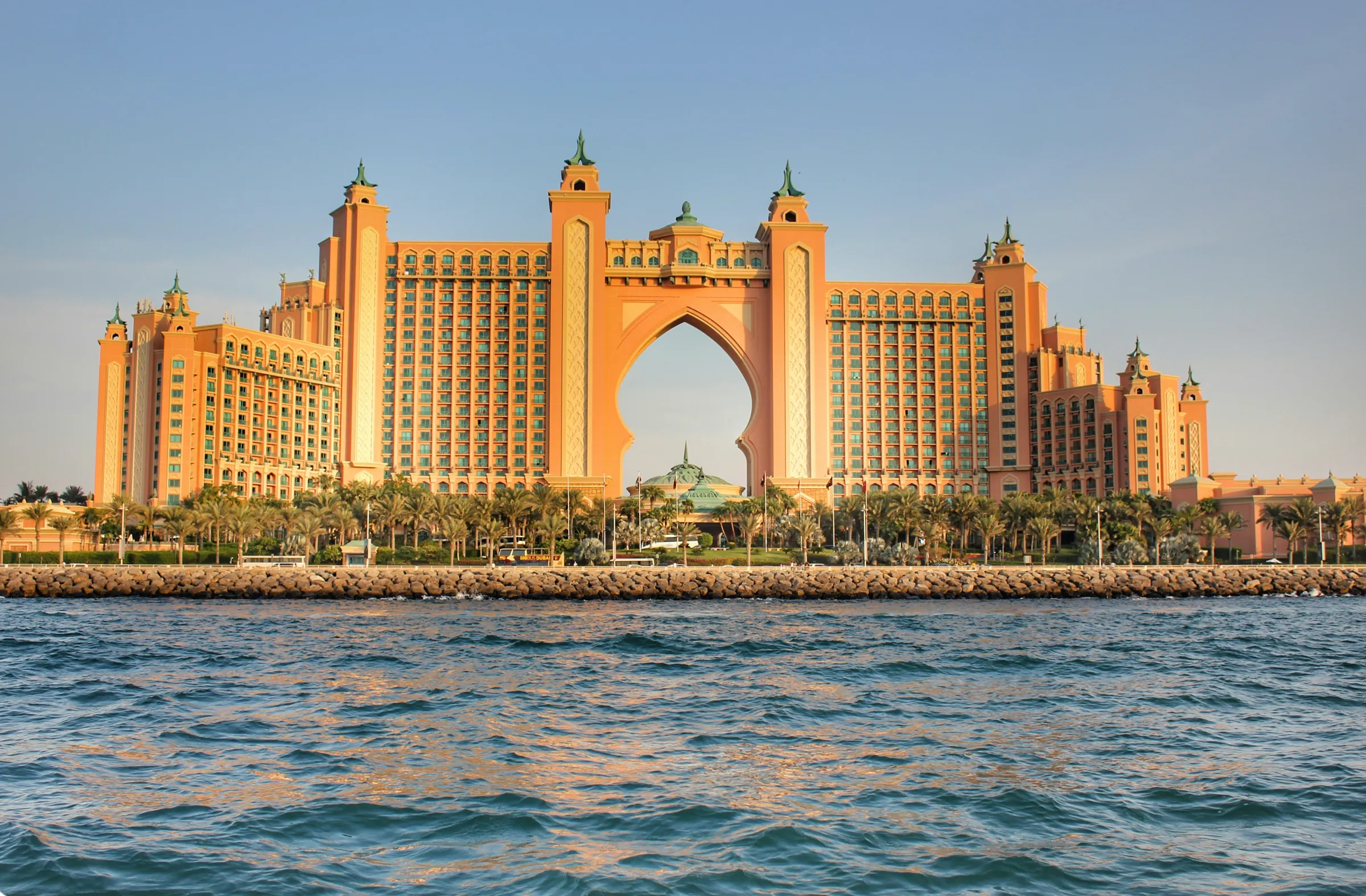
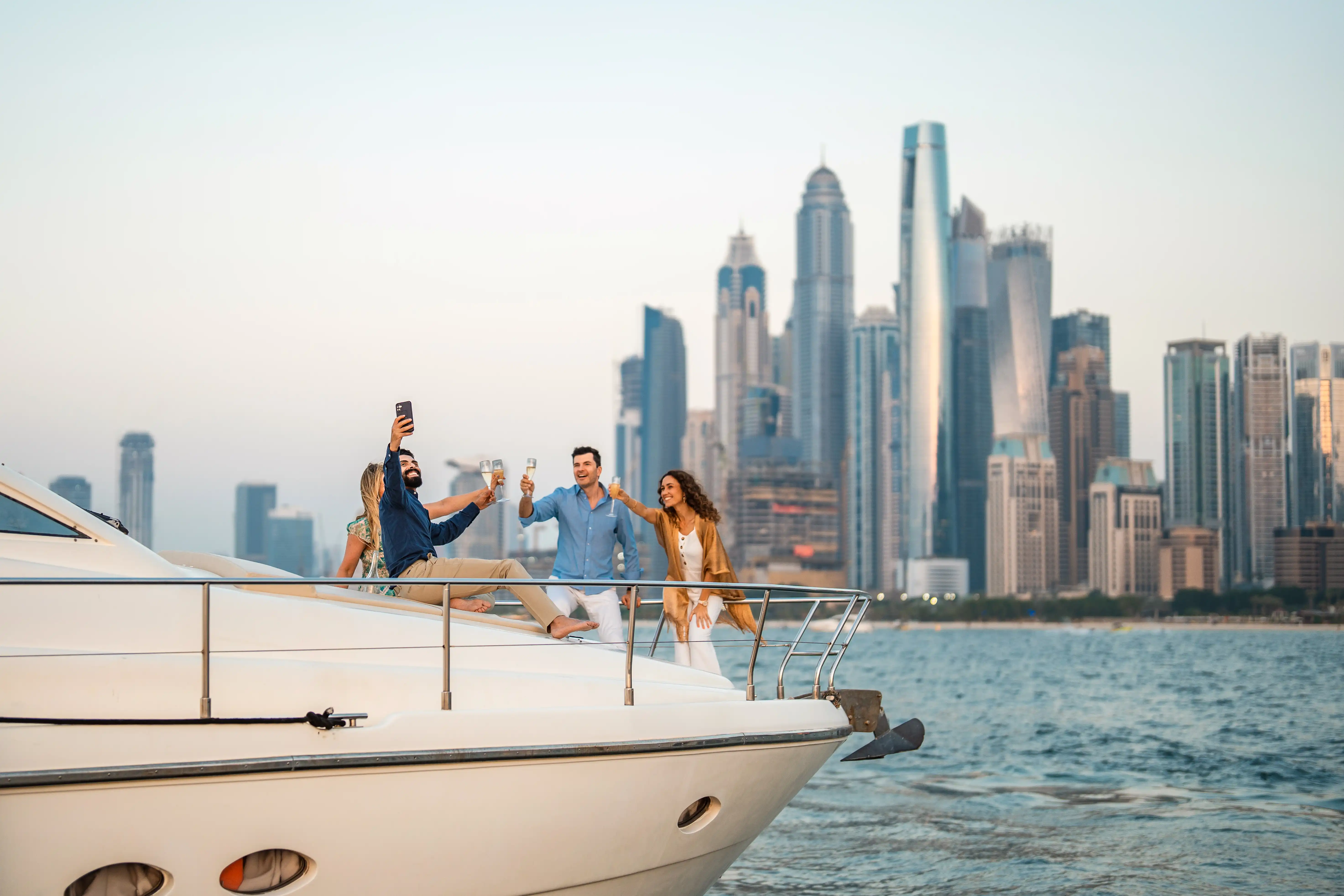
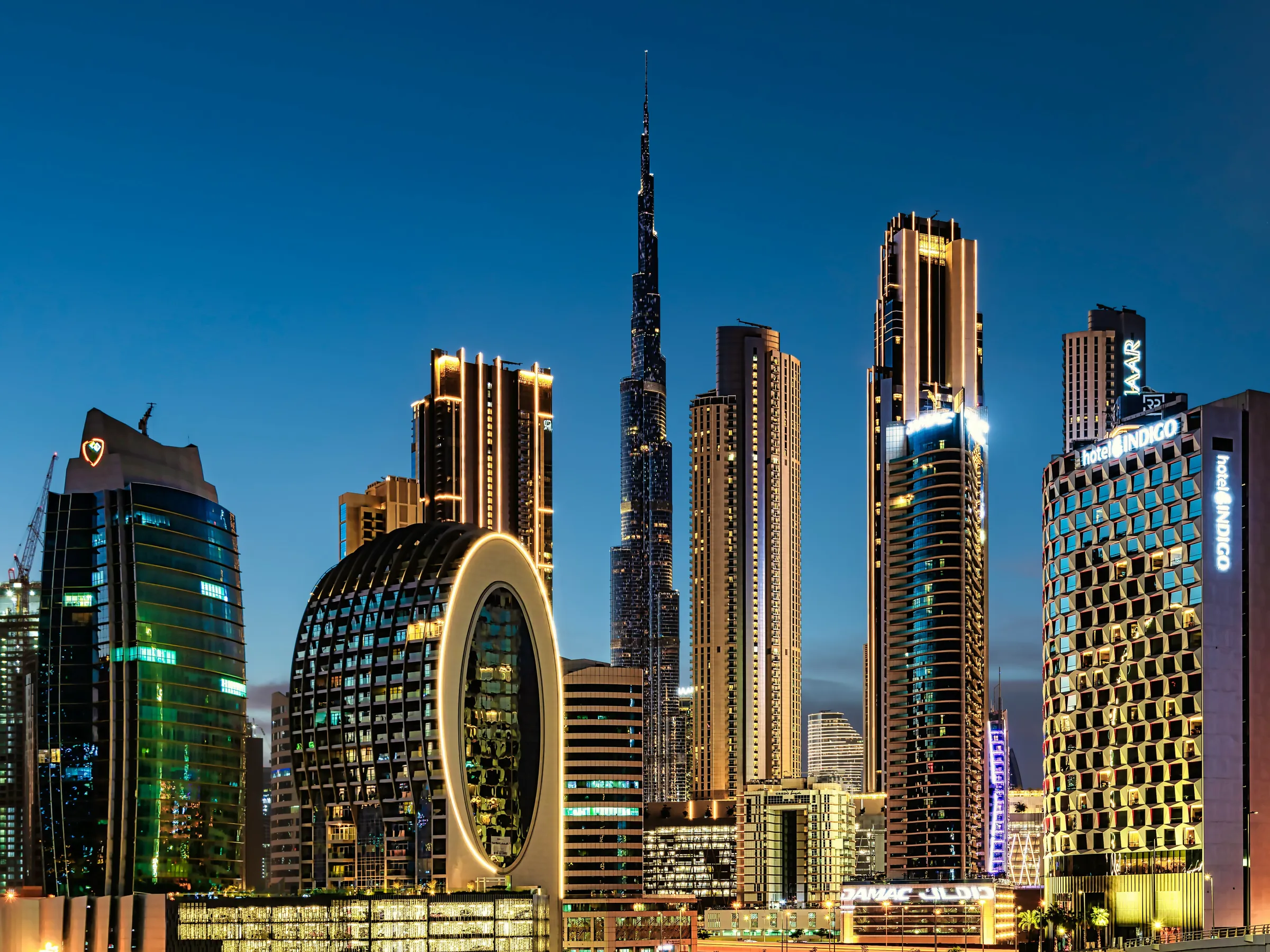
Dubai is a city that has been misread. Its scale is real — the architecture, the infrastructure, the ambition are genuine and, in certain lights, genuinely extraordinary. But the most interesting version of Dubai is not the one that appears in travel photography. It is the older city of the Creek, the souks, and the desert communities that existed before the towers arrived, and the private access to both that comes from years of working here.
As a gateway, Dubai functions at a level that no other Middle Eastern city matches — the connections, the infrastructure, and the position make it the logical base for the wider region. Abu Dhabi sits an hour away, with cultural institutions of genuine global significance. Oman offers a quieter, older face of the Arabian Peninsula. Jordan and Saudi Arabia are straightforward extensions.
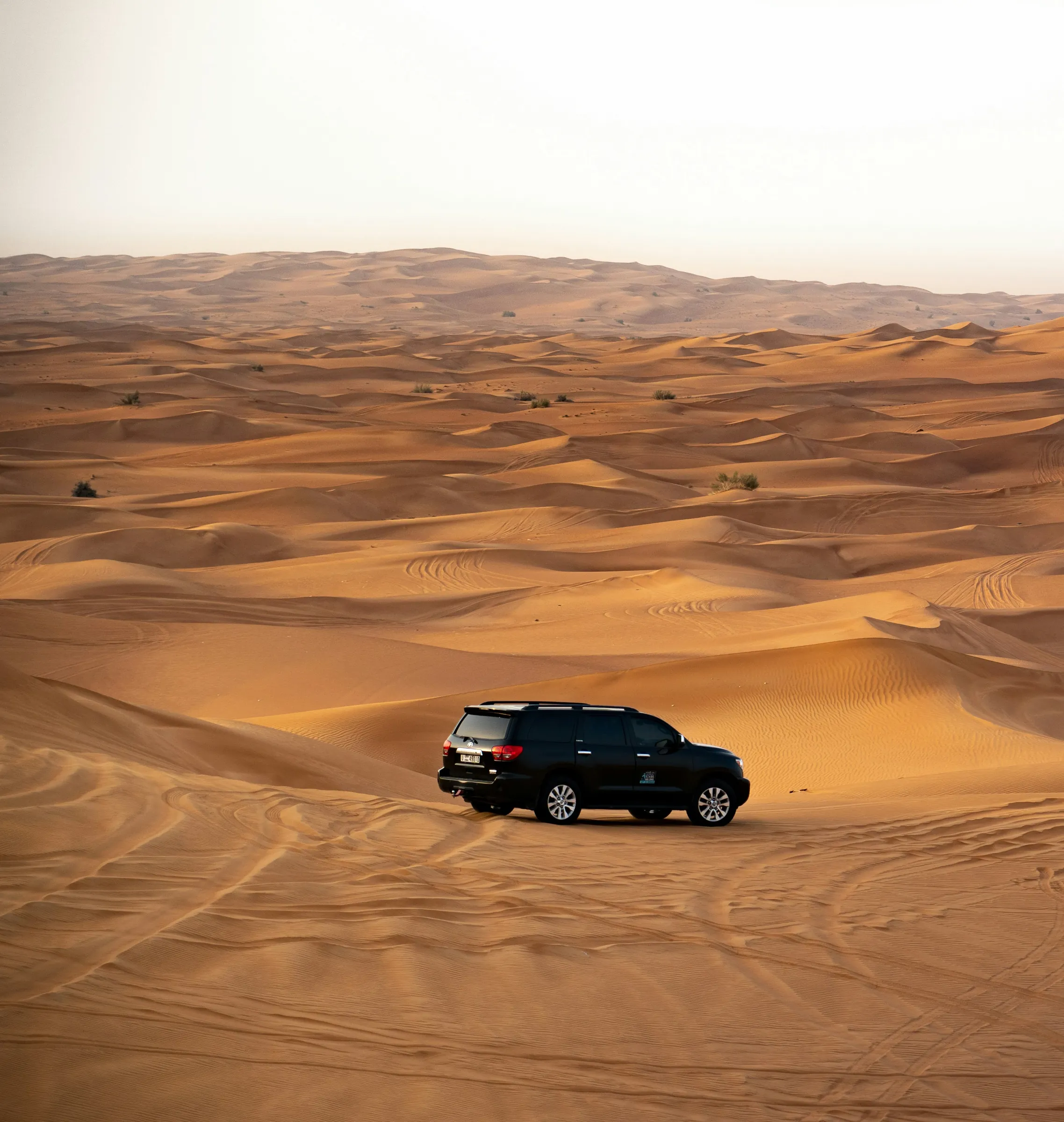
The desert experience alone justifies the journey for many. Open dunes, private camps, and a landscape that operates on an entirely different time scale — arranged with the access and the context to make it something other than a tourist excursion.
In Dubai
These are examples of what we have arranged and what is possible — not a fixed itinerary. Your journey takes its shape from the conversation.
Desert
The Rub' al Khali — the largest continuous sand desert on earth — experienced from a private tented camp with no other guests. Dune traversal by day, silence and the Milky Way overhead at night. One of the world's genuinely extreme landscapes, made comfortable.
Architecture
Access to Dubai's most significant architectural projects — not from the lobby but through introductions to the architects, developers, and families who conceived them. A city understood at the level of its ambition, not its surface.
Heritage
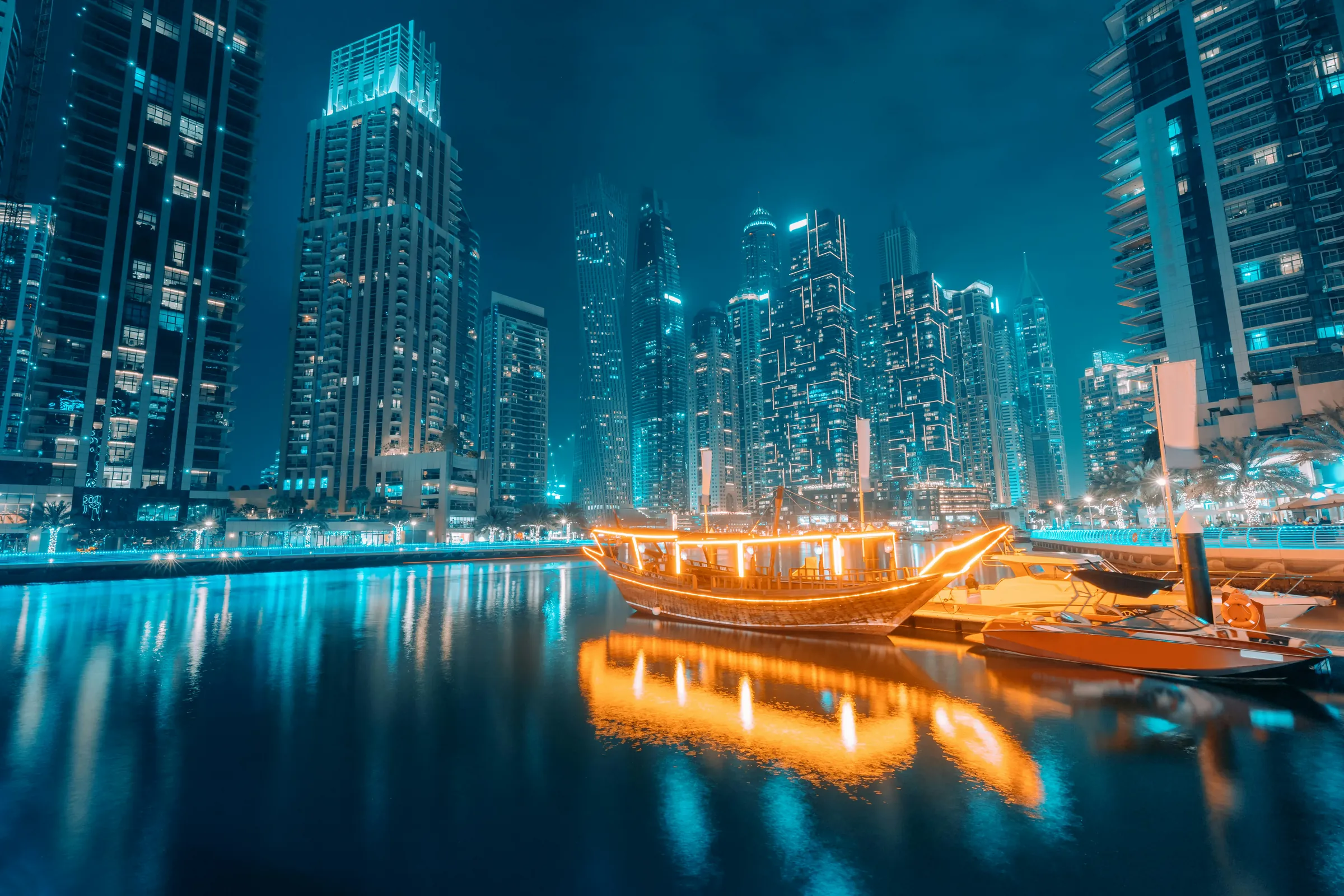
The Dubai Creek, Al Fahidi, and the souks explored with a guide whose family has been here for generations — a Dubai that predates the towers by centuries, and one that most visitors never reach in any meaningful way.
Region
The Musandam Peninsula or Muscat extended from Dubai — a contrast of extraordinary sharpness. Ancient forts, fjord-like khors, and a culture of quieter, older hospitality. Two hours from Dubai by air; a completely different world.
Culinary
Dubai's finest dining is not always in its best-known restaurants. Meals arranged in private homes — Emirati, Lebanese, Persian — with families whose hospitality is not commercially available and whose tables reflect a culinary tradition of genuine depth.
Abu Dhabi
Abu Dhabi's cultural district — the Louvre, the Zayed National Museum, and the institutions still opening — with private access arranged through the cultural authorities. An extraordinary concentration of global heritage, still largely undiscovered.
Ideal season
October — April
The entire outdoor country is open. Temperatures between 20°C and 30°C, clear skies, and the desert at its most navigable. The best time to be here by a significant margin.
Shoulder
April — May · September — October
Warmer and more humid, but the interior architecture and cultural experiences remain entirely accessible. Good for those whose itinerary focuses on the city rather than the desert.
Summer
June — August
Extreme heat — outdoor activities are not viable. For those whose purpose is purely cultural or business, the city functions normally. We generally advise against this period for leisure travel.
Continue exploring